
Navigating the Post-Trust Association: How to Use the TPO Framework to Combat Burnout and the Rejection of Expertise

The modern professional association is navigating uncharted territory. Between shifting generational expectations, a cross-sector burnout epidemic, and a fundamental skepticism toward institutional authority, leaders can no longer rely on yesterday’s playbook for value delivery. To survive and thrive, associations must transition from traditional, top-down gatekeepers to agile, data-driven allies.
By looking at your organization from the "outside-in" and applying a structured analytical lens, you can predict workforce shifts, rebuild trust, and address the silent crises draining your membership.
Here is a step-by-step look at how to tackle the credibility crisis and burnout using the TPO (Trends, Patterns, and Outliers) framework.
The Credibility Crisis: Handling the Rejection of Expertise
A profound shift is occurring in how professionals—and the public—seek knowledge. We are witnessing the "Rejection of Expertise," a trend where potential members prefer hands-on, "practical experience" over top-down institutional authority.
People prefer experts with direct experience. If your association behaves like an exclusive gatekeeper that only prizes academics or the "old guard," you are actively building barriers to your own growth. The "outside-in" view demands that we listen to the skeptical non-member who has bypassed your peer-reviewed journals to find real-world guidance on YouTube.
To rebuild trust, associations must reposition themselves as neutral arbiters of peer-to-peer knowledge. This means elevating the voices of active practitioners (the sector influencers) rather than just defending the institution.
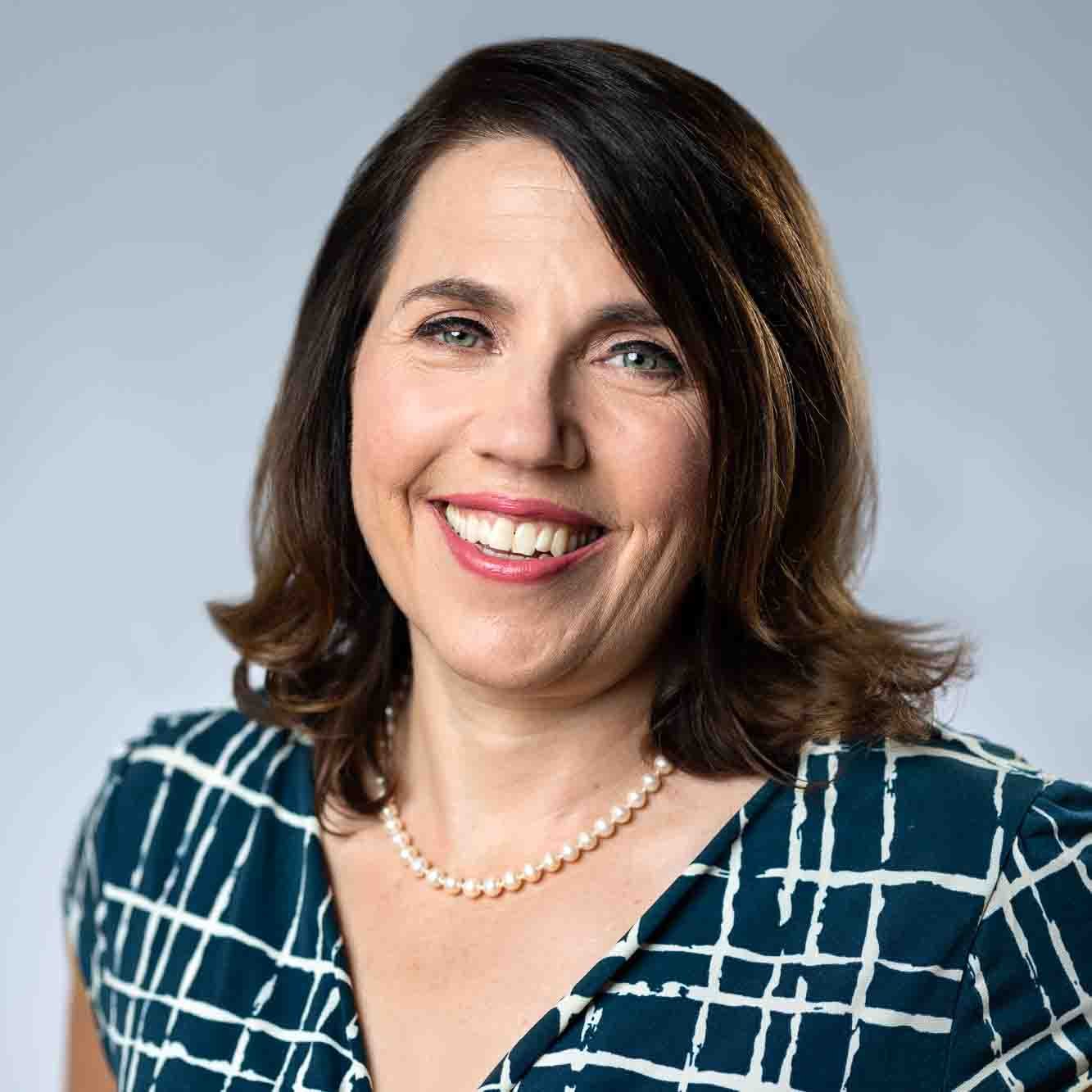
"People often distrust 'the profession' but trust the professional they know. Use your members as influencers to fight institutional distrust." > — Christine Saunders, Halmyre
Using TPO to Find the Trust Gap
How do you begin to diagnose this shift in your own sector or profession? You can look at your member data through the TPO lens:
- Trends: Track the broader macro-environment, such as documented drops in global institutional trust.
- Patterns: Look at behavior. Are your members bypassing institutional guidance in favor of peer-validated channels (e.g., online forums, informal networks)?
- Outliers: Pay close attention to young professionals who still value formal credentials. Find out exactly why they do, and leverage those insights.
The Silent Leak: The High Cost of Ignoring Workforce Burnout
While you fight to maintain credibility, another crisis is quietly hollowing out your ranks: workforce burnout. Ignoring this issue does not just affect morale; it can lead to a catastrophic downward spiral of membership decline and diminished influence within your sector.
The Cost of Inaction (COI) is staggering. It includes the loss of high-value, mid-career members, an inability to attract fresh talent to the sector, and a slow erosion of service quality across the entire profession. Associations cannot solve this by simply offering transactional "benefits" or surface-level perks. You must intervene directly by helping members find structural solutions to heavy debt loads and grueling working conditions.
Identifying Burnout's Footprint with TPO
Burnout rarely shows up as a sudden drop in your net total membership count. Instead, it hides in the details. You can spot the warning signs by examining:
- The Trend: An increasing level of effort required to get professionals to volunteer, write articles, or sit on committees.
- The Pattern: A specific, predictable segment of mid-career professionals quietly leaving the sector entirely.
- One Possible Fix: Moving away from exhausting "piecemeal tech" toward a holistic digital strategy that reduces the day-to-day administrative burden on your professionals.
The Roadmap: Predicting Workforce Shifts Using the TPO Framework
You do not have to guess where your workforce is heading. By systematically applying the TPO framework to your member behavior data, you can build services for where the market is going, rather than where it has been.
This framework acts as an early-warning system:
- Trends track long-term, high-level movements—like the gradual, industry-wide shift toward gig or contract work.
- Patterns reveal seasonal or career-stage stressors—such as predictable drop-offs in engagement during peak business cycles.
- Outliers highlight the "first movers"—the sub-segments, chapters, or individual employers who are successfully adapting to the crisis.
Putting TPO into Practice
When you look at your organizational data, ask yourself these diagnostic questions:
- Trends: Are we losing retiring Baby Boomers faster than we are gaining Gen Z members?
- Patterns: Do registration numbers for our premium "leadership" courses drop significantly when overall industry stress indexes are high?
- Outliers: Which specific sub-region or chapter has the highest retention rate right now? What are the employers in that area doing differently that we can share with the rest of the association?
The ROI of Foresight: Your Next Steps
Embracing the TPO framework is a "step-wise" journey. You do not need to overhaul your entire database overnight. Start with one simple, highly strategic question: "Why are our mid-level professionals leaving?" Once you find the outlier, you name it, enumerate it with data, and own the solution. By moving from a reactive stance to a proactive, outside-in strategy, you can rebuild trust, mitigate burnout, and secure your association’s future.
Ready to see the road ahead clearly? Is your authority feeling outdated, or are you ready to identify where the hidden costs of inaction are draining your organization's future? Contact Halmyre to help you reposition your brand for a post-trust world.
Related Thinking
Pricing & Revenue Strategy
Pricing & Revenue StrategyMaximize Your Revenue Through Smart Pricing Strategies
Pricing & Revenue Strategy
Pricing & Revenue StrategyThree Steps to Make Your Revenue Resilient
Pricing & Revenue Strategy
Pricing & Revenue StrategyFrom Transactional to Transformational: How to Fix a Sponsorship Program That Isn't Selling